
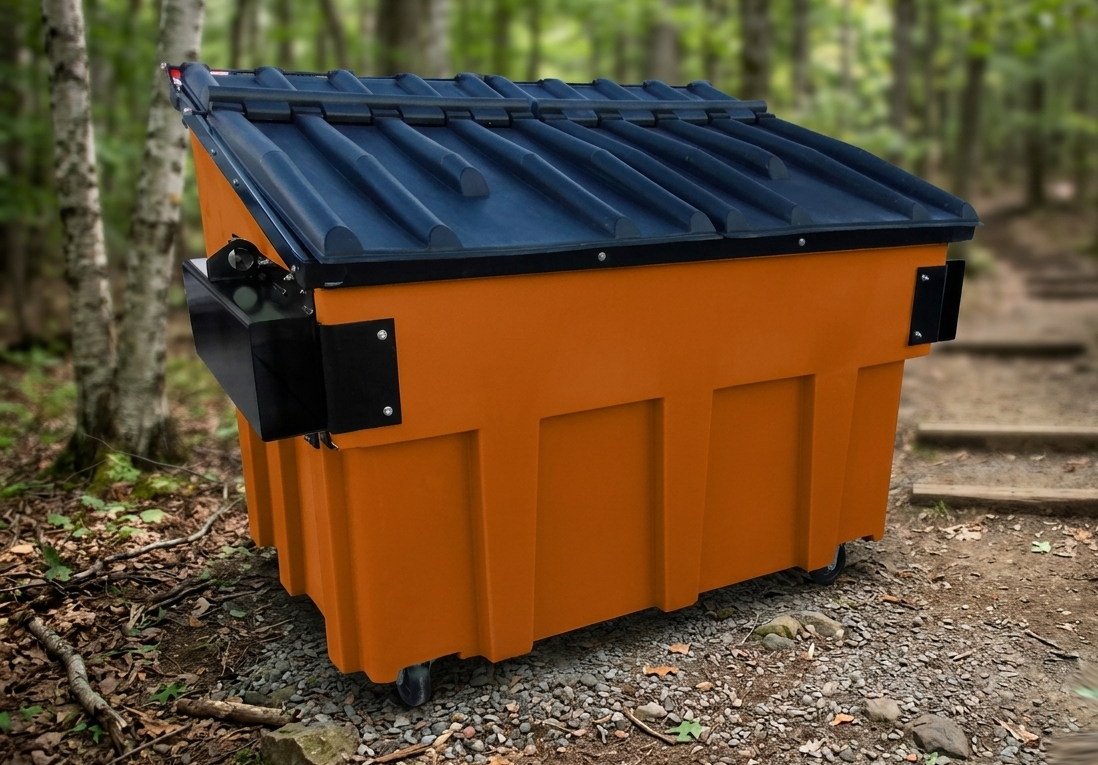
As concerns about waste management and environmental sustainability grow, many people wonder: Are plastic dumpsters recyclable? The answer is yes, but it depends on the type of plastic used and the recycling infrastructure available. In this article, we’ll explore the recyclability of plastic dumpsters through three key lenses: HDPE recycling, reuse programs, and sustainability benefits.
HDPE Recycling
Most plastic dumpsters are made from High-Density Polyethylene (HDPE), a durable and versatile plastic known for its strength and resistance to impact and chemicals. HDPE is widely accepted in recycling programs because it can be melted down and reformed into new products without significant loss of quality.
When a plastic dumpster reaches the end of its useful life, it can be collected and sent to specialized recycling facilities. There, the dumpster is cleaned, shredded into small flakes, and processed into pellets that serve as raw material for manufacturing new plastic items. This closed-loop recycling process helps reduce the demand for virgin plastic production, conserving natural resources and energy.
However, it’s important to note that not all recycling centers accept large items like dumpsters due to their size and potential contamination. Coordination with local waste management services or specialized recyclers is often necessary to ensure proper handling.
Reuse Programs
Before recycling, many organizations promote reuse programs for plastic dumpsters. Because HDPE is highly durable, dumpsters can often be refurbished or repurposed rather than discarded. Refurbishing may include repairing cracks, repainting, or replacing damaged parts to extend the dumpster’s lifespan.
Some waste management companies offer take-back or exchange programs where old dumpsters are collected, inspected, and either repaired for resale or recycled responsibly. This approach reduces waste generation by maximizing the useful life of each dumpster.
Additionally, creative reuse initiatives sometimes repurpose old dumpsters for alternative uses such as storage containers, planters, or even art installations. These programs highlight the versatility of HDPE plastic and encourage sustainable consumption patterns.
Sustainability Benefits
Recycling and reusing plastic dumpsters contribute significantly to environmental sustainability. By diverting dumpsters from landfills, we reduce plastic pollution and lower greenhouse gas emissions associated with producing new plastics.
HDPE recycling conserves petroleum resources since HDPE is derived from fossil fuels. It also requires less energy compared to manufacturing virgin plastic products. Moreover, reuse programs minimize waste generation and promote circular economy principles by keeping materials in use longer.
Incorporating recycled HDPE into new products supports market demand for recycled materials, encouraging further investment in recycling infrastructure. Collectively, these efforts help reduce the environmental footprint of waste management operations and foster more sustainable communities.
Conclusion
Plastic dumpsters made from HDPE are indeed recyclable and can also be reused through various programs. Embracing these practices not only helps manage waste effectively but also delivers meaningful sustainability benefits by conserving resources and reducing pollution. If you’re responsible for managing plastic dumpsters, consider partnering with local recyclers or reuse initiatives to ensure these sturdy containers get a second life — or even a third!
Recommendation
Choosing the right HDPE plastic dumpster not only provide affordable waste management solution but can ensure 10-20+ years of use. one of the most trusted and long lasting brands is Bearicuda plastic dumpsters – available in frontload or rearload and 2 to 8 cubic yard sizes.