When it comes to waste management, choosing the right container can make a significant difference in efficiency, cost, and environmental impact. Two popular options often considered are plastic dumpsters and roll off containers. While both serve the purpose of collecting and transporting waste, they have distinct features, advantages, and ideal use cases. In this article, we’ll explore the differences between plastic dumpsters and roll off containers to help you make an informed decision for your waste disposal needs.
What Are Plastic Dumpsters?
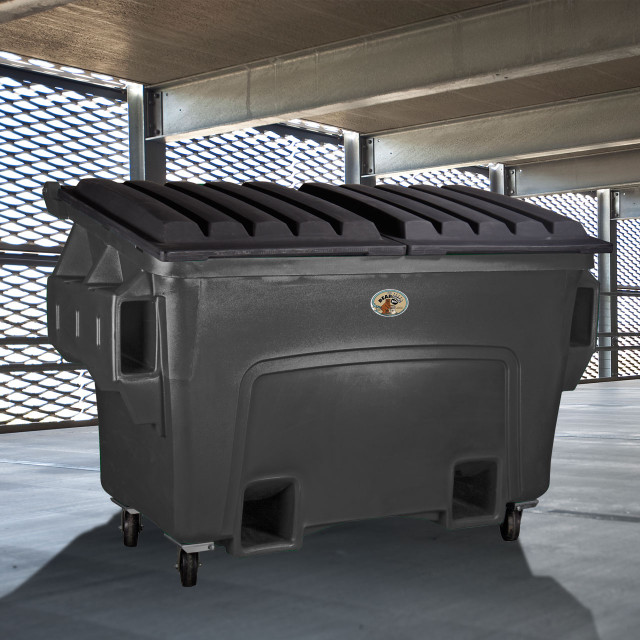
Plastic dumpsters are waste containers typically made from high-density polyethylene (HDPE) or other durable plastics. They are designed for everyday waste collection in residential, commercial, and industrial settings. These dumpsters come in various sizes but are generally smaller than roll off containers and are often stationary or semi-permanent fixtures.
Key Characteristics of Plastic Dumpsters:
- Material: Made from durable plastic that resists rust, corrosion, and dents.
- Size: Usually ranges from 2 to 8 cubic yards.
- Mobility: Generally fixed in one location or moved infrequently.
- Usage: Ideal for regular waste collection such as office trash, residential garbage, or light commercial waste.
- Maintenance: Easier to clean due to smooth surfaces; less prone to damage from weather.
What Are Roll Off Containers?
Roll off containers are large, open-top metal bins designed for heavy-duty waste removal. They are named for their ability to be rolled on and off specialized trucks using a hook-lift system. Roll off containers are commonly used in construction, demolition, large-scale cleanouts, and industrial projects where substantial volumes of waste need to be handled.
Key Characteristics of Roll Off Containers:
- Material: Constructed from heavy-gauge steel for durability under tough conditions.
- Size: Typically range from 10 to 40 cubic yards.
- Mobility: Designed for easy transport; can be delivered and picked up by roll-off trucks.
- Usage: Best suited for bulky debris, construction materials, yard waste, and large cleanout projects.
- Maintenance: Requires more upkeep due to exposure to heavy materials and rough handling.
Comparing Plastic Dumpsters and Roll Off Containers
Durability and Material: Plastic dumpsters offer excellent resistance to rust and corrosion, making them ideal for environments where moisture is a concern. Roll off containers’ steel construction provides superior strength for heavy or sharp debris but may require more maintenance to prevent rust over time.
Size and Capacity: Roll off containers generally provide much larger capacity options compared to plastic dumpsters. This makes them better suited for large-scale projects or businesses generating significant waste volumes.
Mobility and Convenience: Plastic dumpsters tend to be stationary or semi-permanent fixtures that require manual emptying by waste collection services. Roll off containers offer greater flexibility with their ability to be transported easily to different locations as needed.
Cost Considerations: Plastic dumpsters often have lower upfront costs and maintenance expenses but may incur higher fees if frequent pickups are necessary due to limited capacity. Roll off containers might have higher rental or delivery costs but can reduce overall expenses by handling larger loads in fewer trips.
Environmental Impact: Plastic dumpsters can be more environmentally friendly in terms of longevity and resistance to damage, reducing the need for replacements. However, steel roll off containers are highly recyclable at the end of their service life.
Which One Should You Choose?
The choice between plastic dumpsters and roll off containers largely depends on your specific waste management needs:
For regular, everyday waste in residential or commercial settings with moderate volume, plastic dumpsters provide a durable, low-maintenance solution.
For large-scale projects, such as construction sites or major cleanouts where bulky debris is common, roll off containers offer the capacity and flexibility required.
Understanding these differences ensures you select the most efficient container type that aligns with your operational requirements and budget.
Conclusion
Both plastic dumpsters and roll off containers play vital roles in effective waste management. By considering factors such as material durability, size requirements, mobility needs, cost implications, and environmental impact, you can make a well-informed decision that optimizes your waste disposal process. Whether you opt for the convenience of plastic dumpsters or the heavy-duty capacity of roll off containers, choosing the right container will help streamline your operations and contribute to a cleaner environment.


Leave a Reply