
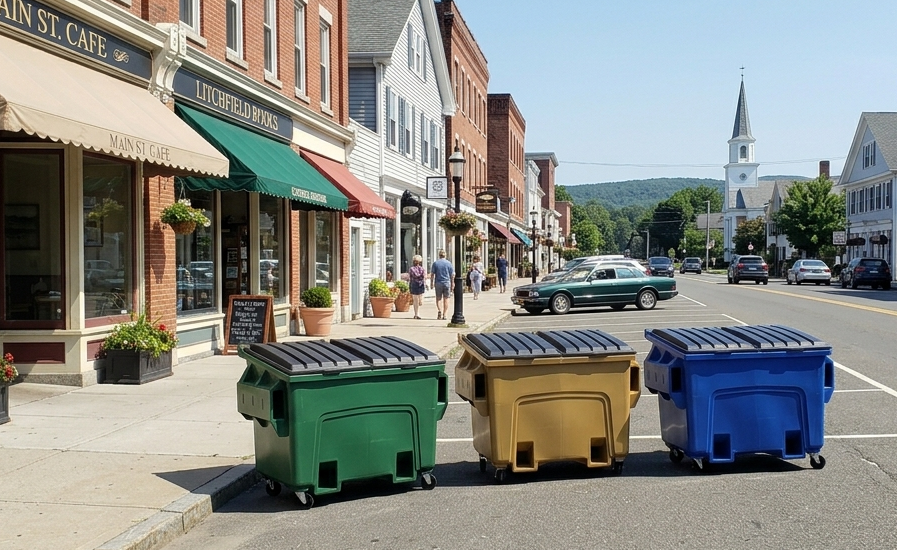
Effective waste management is a critical component of sustainable development, and experts emphasize the importance of adopting comprehensive strategies to address the growing challenges posed by increasing waste generation. Modern waste management goes beyond simple disposal; it involves reducing, reusing, and recycling materials to minimize environmental impact. Specialists advocate for integrated systems that combine technological innovation with community engagement to ensure waste is handled responsibly from collection to final treatment.
One key insight from industry leaders is the role of advanced technologies in transforming waste management practices. Innovations such as smart bins equipped with sensors, automated sorting facilities, and waste-to-energy plants are revolutionizing how cities manage their refuse. These technologies not only improve efficiency but also help reduce landfill use and greenhouse gas emissions. Experts also highlight the importance of data-driven decision-making, where real-time monitoring and analytics enable municipalities to optimize routes, reduce costs, and enhance recycling rates.
Finally, experts stress that public awareness and participation are vital for successful waste management programs. Education campaigns that encourage individuals and businesses to adopt sustainable habits can significantly reduce waste at the source. Collaboration between governments, private sectors, and communities creates a shared responsibility framework that drives long-term environmental benefits. By combining technological advancements with proactive policies and community involvement, waste management can evolve into a powerful tool for protecting our planet’s health.