
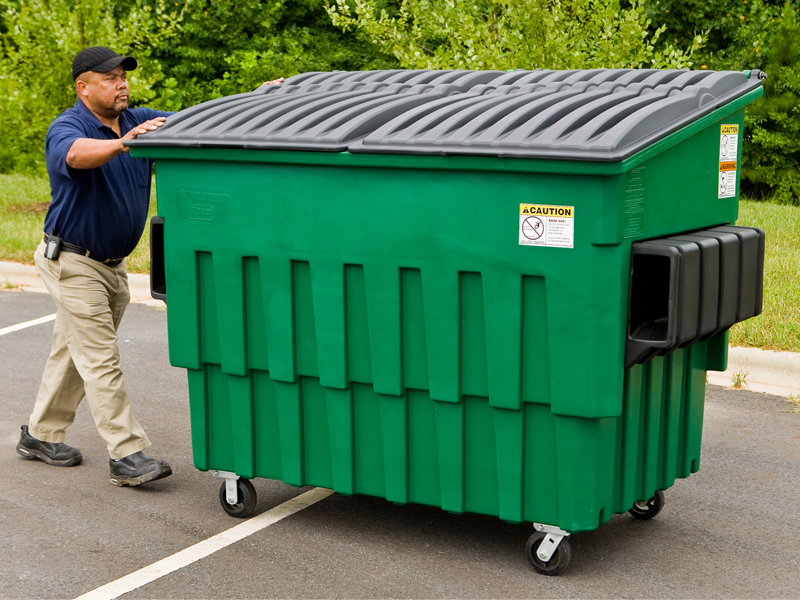
Plastic dumpsters have become an essential part of waste management due to their durability, lightweight nature, and resistance to corrosion. Behind these sturdy containers lies a fascinating manufacturing process that combines advanced materials and precise engineering. As an expert in the field, I’m excited to walk you through the key stages involved in producing high-quality plastic dumpsters. Let’s dive into the main steps: rotational molding, resin preparation, structural ribbing, and finishing.
Rotational Molding
Rotational molding, often called rotomolding, is the cornerstone of plastic dumpster manufacturing. This process involves placing a measured amount of plastic resin inside a hollow mold. The mold is then heated while simultaneously rotating on two perpendicular axes. This dual rotation ensures the molten plastic evenly coats the interior surfaces of the mold, creating a uniform wall thickness without seams or weak points.
The advantages of rotational molding include the ability to produce large, hollow parts with complex shapes and excellent structural integrity. For dumpsters, this means strong, seamless bodies that can withstand heavy loads and rough handling.
Resin Preparation
Before the rotational molding process begins, resin preparation is critical. The raw plastic material—typically polyethylene—is carefully selected for its strength, flexibility, and resistance to environmental factors like UV radiation and chemicals.
The resin is often supplied in powder or pellet form and may be blended with additives such as colorants, UV stabilizers, or anti-static agents to enhance performance and appearance. Proper drying of the resin is essential to prevent moisture-related defects during molding.
This preparation stage ensures that the material properties meet the stringent requirements for durability and longevity expected from commercial dumpsters.
Structural Ribbing
To increase strength without adding excessive weight, plastic dumpsters incorporate structural ribbing into their design. These ribs are molded as integral parts of the dumpster walls during the rotational molding process.
Ribbing serves multiple purposes: it reinforces the container against impacts and deformation, improves load distribution when lifting or transporting waste, and enhances stacking stability when dumpsters are nested or stored.
The strategic placement and design of ribs are carefully engineered to optimize performance while maintaining cost-effectiveness in production.
Finishing
Once the molded dumpster cools and is removed from the mold, it undergoes finishing processes to prepare it for use. This includes trimming excess material from mold seams or openings, drilling holes for hardware attachments like lids or wheels, and inspecting for any surface imperfections.
Additional finishing touches may involve applying decals or labels for branding and regulatory compliance. Some manufacturers also add protective coatings or textures to improve grip and resistance to scratches.
The finishing stage ensures that each dumpster not only meets functional standards but also looks professional and ready for deployment in various waste management settings.
Conclusion
Manufacturing plastic dumpsters is a sophisticated process that blends material science with precision engineering. From carefully preparing resin to expertly shaping containers through rotational molding, reinforcing them with structural ribbing, and applying meticulous finishing touches—each step contributes to producing durable, reliable dumpsters that serve communities worldwide.